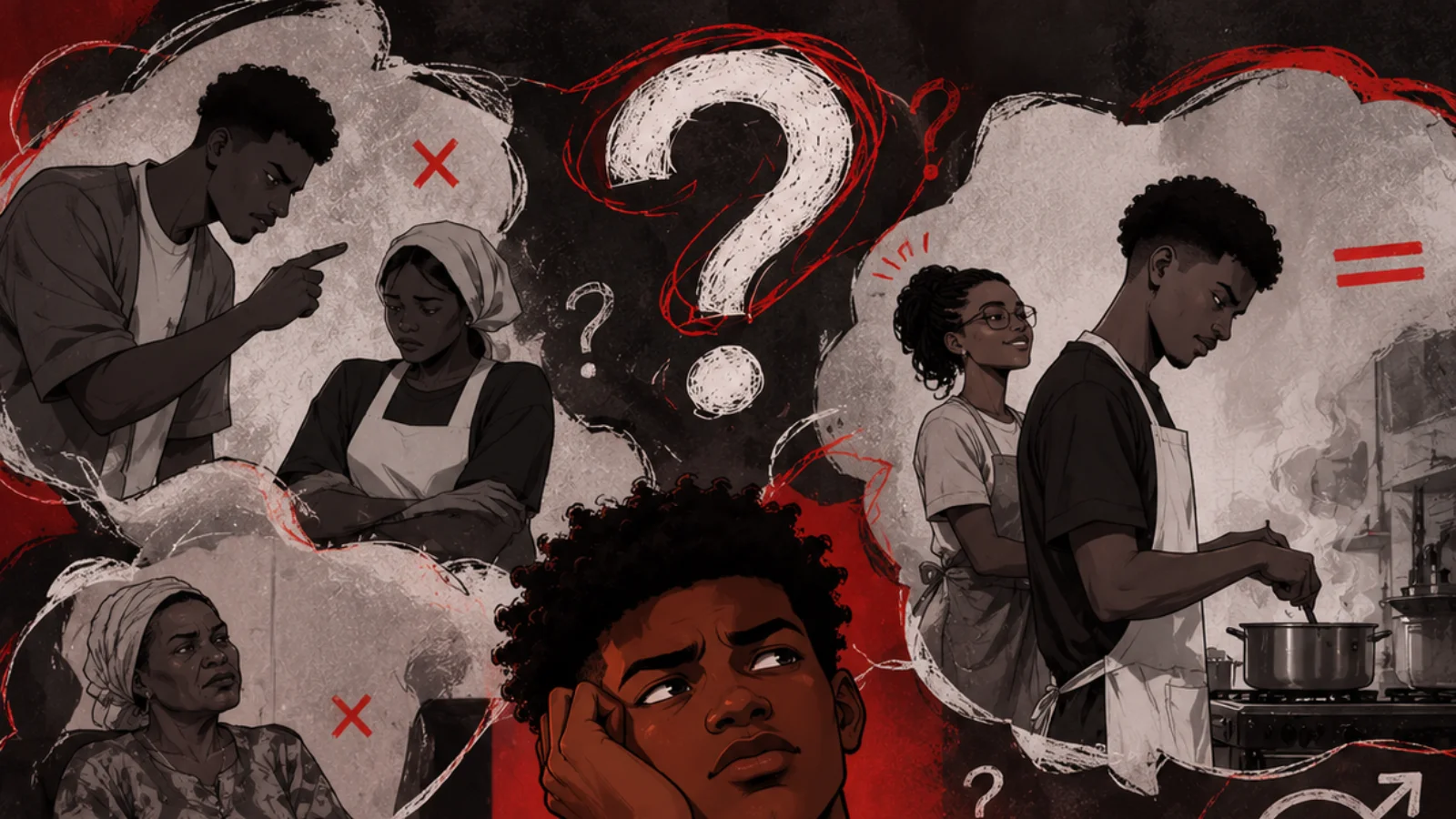
Why do some parents make it so difficult for their children to go out and spend time with their friends?
I understand the concerns. We live in a country where safety is a genuine issue, and parents have every reason to worry about their children's whereabouts. Nobody wants to receive a phone call with bad news. Parents worry because they care, and sometimes, their restrictions come from a place of love and experience. I understand that.
But surely, there is a difference between protecting your children and restricting them from experiencing life.
There is a difference between allowing your child to go out while setting a reasonable time for them to return home and completely preventing them from going out. Asking where they are going, who they are going with, how they intend to get there and when they will be back is understandable. These are reasonable safety measures. But when every outing becomes a battle for permission, it raises another question: where do we draw the line?
How exactly do you expect someone to learn how to interact with the outside world if they are never given the opportunity to experience it?
How do they make friends, build connections, meet different kinds of people, have conversations and see the world from different perspectives?
Social skills are also developed through experience. You don't automatically become confident in social situations just because you grow older. You learn by interacting with people, attending events, making mistakes and stepping outside your comfort zone.
And let's talk about the children who have to lie just to go out.
Some have to invent stories, hide details or find excuses because asking for permission has become an exhausting process. There are even situations where you would have informed your parents about an outing weeks or months in advance, gotten their approval, only for them to change their minds at the last minute.
After all the excitement and anticipation, you're suddenly told you're no longer going.
Honestly, that kind of disappointment is worse than heartbreak sometimes and the worst thing you can't go on your own because is going to fund the outing
And then there is another interesting situation: parents who rarely allowed their children to socialize when they were younger but suddenly start asking questions when those children become adults.
"Why don't you go out?"
"Why don't you have friends?"
"Why are you always indoors?"
"Why don't you attend parties or social gatherings?"
But how do you expect me to develop a social life when I spent most of my younger years being told to stay at home? The outings, parties, picnics and opportunities to make memories that I wanted to experience were often the very things I was prevented from attending.
Of course, not everyone who enjoys staying indoors was forced to become that way. Some people genuinely love their own company. But for others, years of limited social interaction may have made going out feel unfamiliar, uncomfortable or even exhausting.
Sometimes, you meet people who struggle to hold conversations, get uncomfortable in social settings or would rather spend time on their phones, bed rot, binge watch movies than interact with the people around them. Could some of these habits be connected to the environments they grew up in?
However, I don't think the solution is for parents to abandon rules or allow their children to do whatever they want. Freedom without responsibility can be dangerous, and parents understand risks that their children may not always recognize. There are genuine dangers outside, and being protective is not automatically being controlling.
But protection should also come with preparation.
Teach your children how to recognize danger, make responsible decisions, communicate when plans change and take care of themselves. Give them reasonable boundaries, but also give them opportunities to practice what you have taught them.
Trust should be built gradually. A child who has never been given the opportunity to make decisions independently may struggle when they eventually have to make those decisions without parental supervision.
And perhaps the most ironic part is when those same parents start asking, "When are you bringing a husband or wife home?"
How exactly am I supposed to meet someone when I barely get the opportunity to go out and interact with people? Do you want me to magically make someone appear?
At some point, children need room to grow beyond the walls of their homes. They need to make friends, create memories, experience life and develop an identity outside their families.
Perhaps what many young adults want isn't the freedom to do absolutely anything. They want parents who listen, trust them, understand their need for independence and allow them to experience life while still knowing they have a safe place to return to.
Parenting should not be a choice between keeping children safe and allowing them to grow. It should be about finding a balance between both.
So, where do we draw the line between being a protective parent and being an overly restrictive one? And how can parents give their children the freedom to explore the world without compromising their safety?