

Long before Digest, Achievers was already on the road for sport. Picture December 2013 — thirteen years now, and only about six years into the life of the university itself — Achievers lining up with about two dozen private schools at the Nigerian Private University Games hosted by JABU: football, volleyball, athletics, basketball, and more. By the end of that week Achievers was in the conversation for a top finish. That week is not a trophy case for this piece. It is the oldest publicly available piece of news we have of Achievers hitting that drum. It proves one simple thing: the habit of showing up for sport did not start with us.
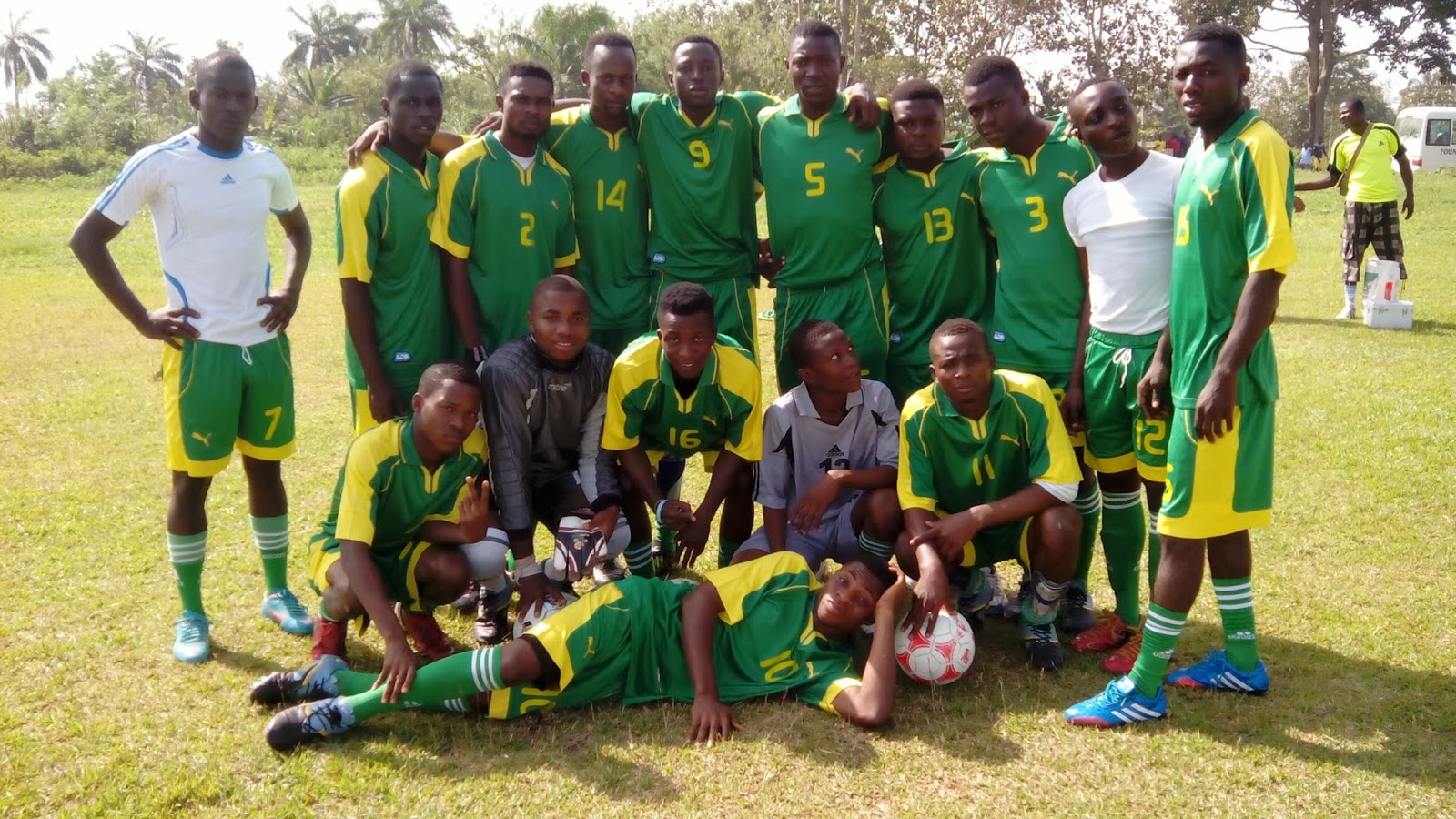
That is the feeling we are after now. Not a history lesson, but the sound of the place when sport is on: pitch, court, track, and everywhere people still show up to compete.
Where we are
Around dawn, the campus already has a pulse. People are on the basketball courts, the lawn tennis courts, and the football pitches. Others are out jogging or on walks before the day takes over. Whistles. Bouncing balls. Sport here starts with the morning.
What Achievers has is real ground to play on, and real people who use it. Football is arguably still the most popular sport. Following the conclusion of the Inter-Faculty Pre-season, the Inter-Faculty football league is fully underway — and already loud with excitement in just Matchweek 2. From here, the top teams will push into the quarterfinals and keep climbing toward the finals on Sunday, 14 February 2027. Volleyball is underway too: the first ball has been served, and the next matches are already pulling people toward the court. Basketball is its own world. It has had multiple matches already. People who love that game live inside it; they are not waiting for other sports to make space. Matches happen. And when your faculty or your friends have been out there, that is not a footnote. That is recognition. Showing up counts.
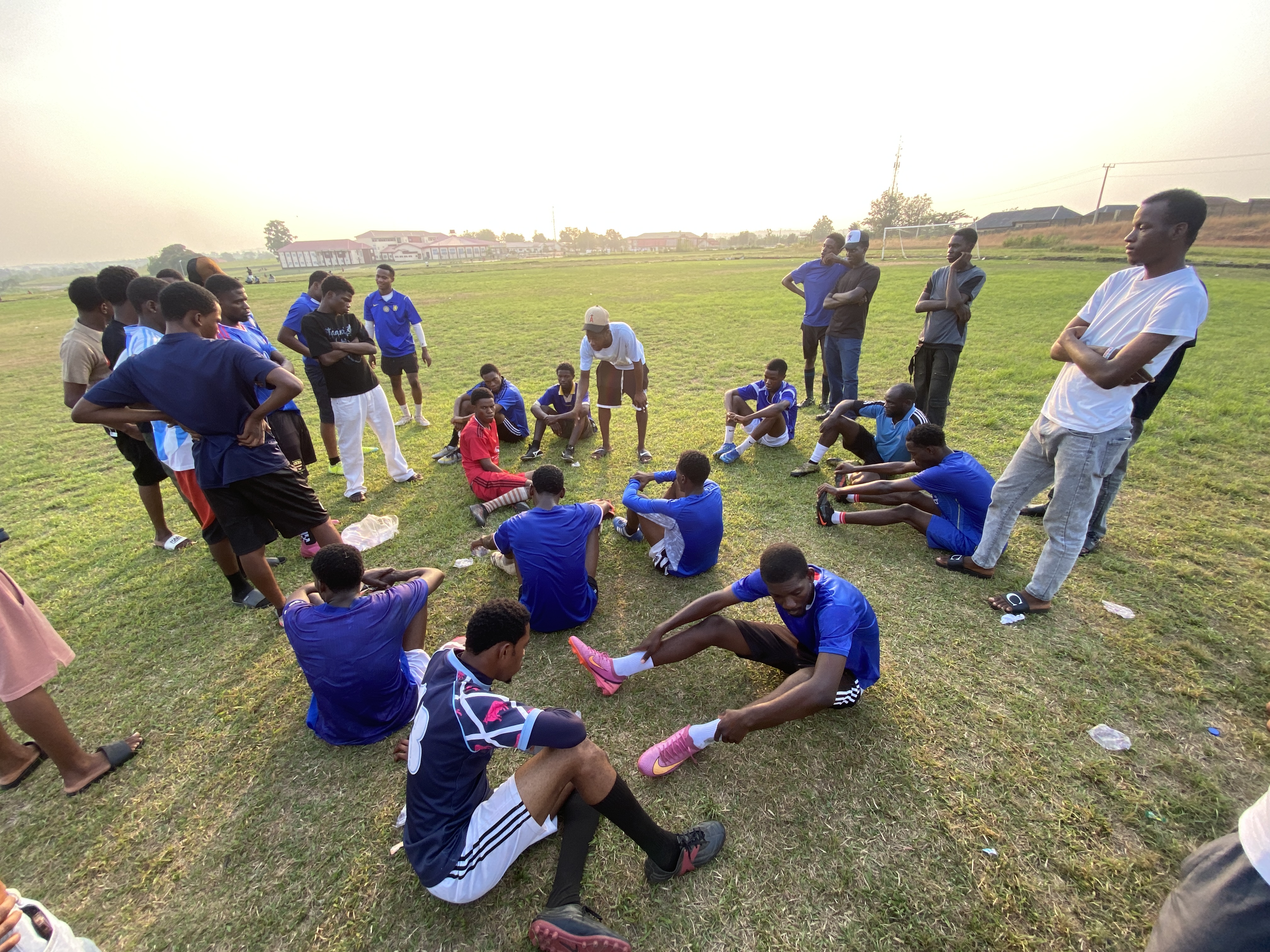
Outside the official brackets, the culture is even louder. Unofficial games are everywhere: “sets,” the quick-fire, fast-paced matches people pick up for fun or as prep for the big games on the main field. It is messy. It is also alive.
Basketball, lawn tennis, and volleyball always have people on the courts, even when no official tournament is on. People jog for exercise. Track and field has its own crowd: quieter, less glamorous, but present. And somewhere off the open fields, the snooker and table tennis players live in a world of their own — indoor, close, and just as serious.
These are students with real lives, classes, stress, deadlines, who still find time for the game. Passion and consistency are here. So is the quieter choice: showing up when the setup is not perfect, when the day is not encouraging, because they came to better themselves, to play with others, and to compete alongside one another. That counts for something. If you are open to seeing it that way, the atmosphere can pull you in. You watch people keep going and you feel it. Go stand on a sideline once. You will hear why.
Where it could go
What they could have is more of what the early hours already prove they want: more light, more structure, more room to grow. The courts fill at first light because people want to play. That hunger is the progress you can feel. None of the sports grounds here are lit, so when daylight goes, the day ends with it. None of it is state of the art. The football pitch is badly maintained — not ruined, but worn. The track is stones and grass. The courts are still good enough to play on, though the metal bars meant to keep balls in are gone, and there are no net ceilings either: tennis balls roll off into the grass, basketballs and volleyballs follow, and someone always has to go fetch them. And yet they play. Achievers play. Beyond the grounds, the game itself can feel unfinished. Football match timing is inconsistent — stoppage time barely used, and even regular time can stretch or shrink without a clear standard. Substitutions, bookings, and the thresholds that shape a real contest are not always run by the top rules of the game. Put that next to the infrastructure gaps, and the picture is plain: if you want to expand your game, improve fast, go pro, or reach a higher level, the campus can feel less encouraging. The support and system are not the most effective they could be. That is the honest picture. Not hopeless. Just unfinished.
What they could do starts with intentionality. Places that raise true achievers invest heavily in their students, and sport is one of the strongest avenues for that kind of individual growth — discipline, resilience, teamwork, the will to compete. The people are already here. Fuller evenings without racing the sun, grounds that hold a ball instead of losing it to the grass, match timing you can trust, rules that hold from kickoff to the final whistle, and a pathway that matches the hunger at dawn: that is what intentional sport looks like. Limits can look fixed from the outside. Another way to see it: some of those limits are self-constructed. Students here are resilient. They keep doing the work regardless of conditions. That does not mean conditions do not matter. It means the story is not only what is missing. It is also who keeps showing up anyway, and what becomes possible when the campus meets them halfway.
Why the noise matters
The noise matters because it is proof of habit. People watch each other play. Faculties shout for their own. Friends wait for the next set. That is community and pride in a form you can hear.
This piece is the opening sound. Digest will keep coming back to the sidelines — athletes, fans, officials — not to pretend everything is already built, but to stay with the people building something in the middle of what is. The sound is already here. Our job is to listen, write it down, and help the campus hear itself more clearly. If it pulls you, follow it to a match.